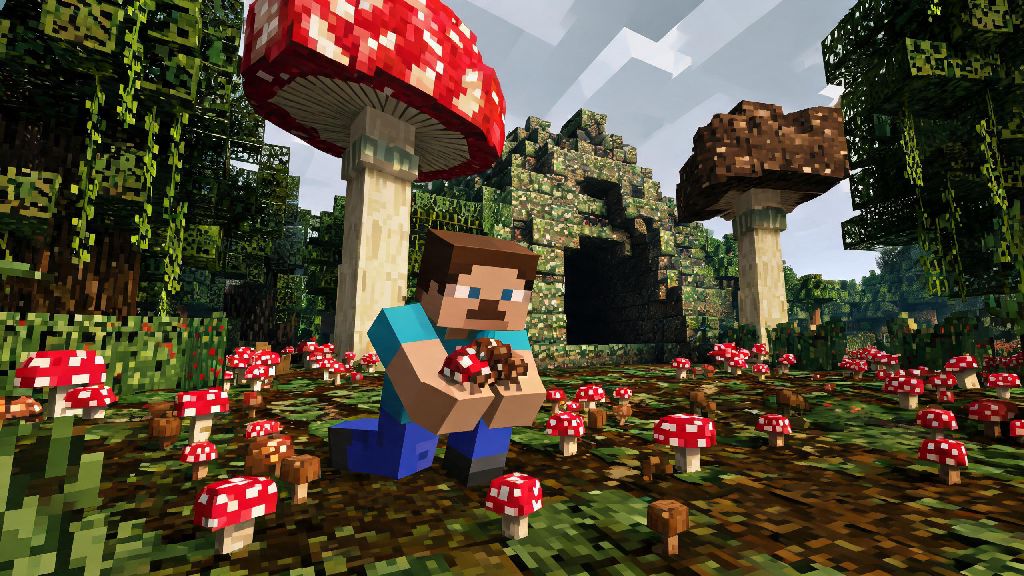
If you’ve ever wandered through a dark Minecraft cave or stumbled across a swamp biome at dusk, you’ve probably spotted small red or brown mushrooms popping up out of nowhere. These tiny fungi are way more useful than they look: you can turn them into stew for a filling food source, use them to brew potions, or even decorate your base with a cozy, fairy-tale vibe. I remember wasting almost an hour of my first survival playthrough running around swamps looking for mushrooms to make stew after I ran out of porkchops, and I wish I’d known how easy it was to grow my own back then. If you’re tired of hunting for them every time you need a batch of mushroom stew, you’ve probably asked, how do I plant a mushroom in Minecraft so I can grow my own steady supply? We’ve put together all the info you need, from basic planting rules to growing giant mushrooms for massive yields, no mods required.
How Do I Plant a Mushroom in Minecraft: Basic Pre-Requisites
Before you start planting, there are a few simple rules you need to follow to make sure your mushrooms don’t pop off the block seconds after you place them. First, you don’t need any special seeds to grow mushrooms – all you need is the mushroom item itself, which you can collect by breaking wild mushrooms or trading with a wandering trader for a few emeralds. Mushrooms can only be planted on blocks with a light level of 12 or lower, unless you’re using a special type of block that bypasses this rule.
The only blocks that let you plant mushrooms in full daylight are mycelium, podzol, and the two nylium variants from the Nether. That’s why you’ll often see mushrooms growing naturally on podzol in old growth taiga biomes, even in direct sunlight. If you don’t have access to these blocks, you can plant your mushrooms in a cave, inside a dark enclosed structure, or under a roof that blocks out all natural light. Each mushroom you plant will need a 3x3x3 space of air above it to grow and spread properly, so don’t cram them too close to walls or ceiling blocks.
Step-by-Step Process to Plant and Grow Regular Mushrooms
Planting your mushrooms is a straightforward process once you have your growing area set up. First, place your chosen planting block in the area you’ve prepared, making sure it meets the light level requirements if you’re not using podzol or mycelium. Next, select the mushroom from your hotbar and right-click the top of the block to place it. That’s all it takes to get your mushroom farm started.
If you want your mushrooms to spread and create more mushrooms without you having to plant each one individually, there are a few extra steps to follow. Leave at least 2 blocks of space between each planted mushroom if you want them to spread to adjacent blocks, as crowded mushrooms won’t generate new growth. Mushrooms will only spread to other valid planting blocks within a 5-block radius, so keep your farm area small if you want maximum spread efficiency.
You can plant mushrooms on a wide range of blocks, as long as you meet the light level requirement for non-special blocks. Common valid planting blocks include:
So if you’re planning a decorative mushroom patch for your cottagecore base, swap out your regular grass for podzol first, and you won’t have to worry about your mushrooms disappearing overnight. You can also speed up spread by placing more mushrooms around the edge of your farm, just make sure you don’t go over 5 mushrooms in a 9x9x3 area, as this will stop all spread entirely.
How to Grow Giant Mushrooms for Bigger Yields
If you want more than just a few small mushrooms for occasional stew, you can grow giant mushrooms that drop between 10 and 20 small mushrooms each when broken. Giant mushrooms are also great for building, as their large caps make perfect roofs for small bases or fairy houses, and you can even use them as hidden storage areas if you hollow out the inside.
To grow a giant mushroom, you first need to plant a regular mushroom on a valid block, just like you would for a small mushroom. You’ll need to leave 7 full blocks of clear air above the mushroom, and make sure the 3x3 area around the base of the mushroom is completely clear of any other blocks or items. Once you have that set up, all you need is bone meal to trigger the growth. Using bone meal on a planted mushroom has a 40% chance of growing it into a giant variant each time you use it, so keep a few extra pieces of bone meal on hand if the first use doesn’t work.
Red and brown mushrooms grow into different giant variants: red giant mushrooms have a flat, wide cap, while brown giant mushrooms have a rounded, taller cap. Both drop their respective color of small mushroom when you break the cap blocks, so you can pick the type that fits your farm or build needs. If you want to keep the giant mushroom as a build feature, you can use a silk touch tool to break the cap blocks and keep them as decorative blocks, just note you won’t get any small mushrooms from silk touch breaks. Once the giant mushroom is fully grown, you can light up the area around it as much as you want, as fully grown giant mushrooms don’t break in high light levels.
Common Mistakes to Avoid When Planting Mushrooms
Even though planting mushrooms is pretty simple, there are a few common mistakes that new players make all the time that can ruin their farm before it even gets started. The most frequent mistake is trying to plant mushrooms on regular grass in full daylight. A lot of players assume mushrooms work like other crops that grow in sunlight, but they’ll pop off the block immediately if the light level is too high and you’re not using a special planting block.
Another common mistake is not leaving enough vertical space for giant mushroom growth. I’ve had this happen to me before: I planted a mushroom in a cave with a low ceiling, used 5 pieces of bone meal, and nothing happened, because there wasn’t enough space above it for the giant mushroom to generate. Never place blocks within 7 blocks above a mushroom you plan to turn into a giant variant, even if the blocks are transparent like glass or torches.
You also want to avoid overcrowding your mushroom farm if you want them to spread. If you have more than 5 mushrooms in a 9x9x3 area, none of them will spread to new blocks, so you’ll be stuck with only the mushrooms you planted originally. If you’re running a large mushroom farm, break excess mushrooms regularly to keep the count low enough for spread to continue. Finally, don’t use silk touch tools on giant mushroom blocks if you’re farming for edible mushrooms, as you’ll only get the decorative block instead of the small mushrooms you need for food or potions.
At the end of the day, growing your own mushrooms is one of the easiest, lowest-effort farming tasks you can take on in Minecraft, whether you’re playing on a peaceful creative world or a hard mode survival server. You don’t need fancy tools or rare materials to get started, just a single mushroom and a spot with the right light level. Once you master how do I plant a mushroom in Minecraft, you’ll never have to go hunting through dark caves for fungal ingredients for stew, potions, or decoration ever again. Try experimenting with giant mushroom builds for your next base, and you might be surprised at how much functionality and charm they add to your world.